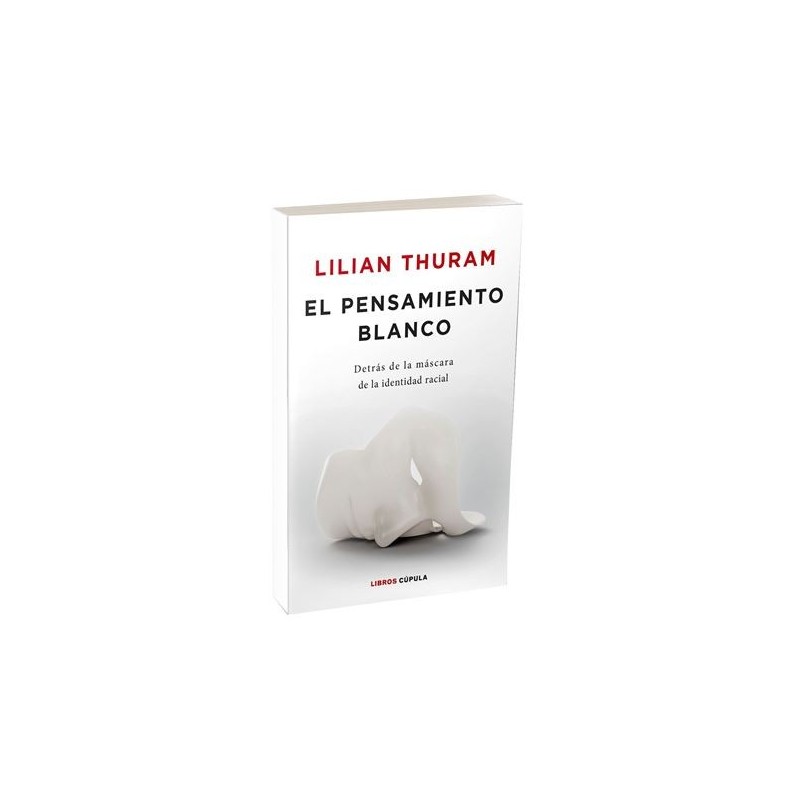
White Thought is an essay that explores how a dominant way of thinking has been shaped and how it influences society. The work examines what this concept means and how it affects perceptions of identity, culture, and social hierarchies.
The first part of the book examines the historical origins of white thought. It shows how this mindset consolidated over the centuries and influenced different societies. The book also highlights its impact on racial relations, power structures, and gender dynamics.
The essay does not focus on blaming individuals. Instead, it invites reflection on the mechanisms that have allowed these ideas to become deeply rooted in the collective mind. The examples provided help illustrate how dominant thought operates in everyday life, as well as in politics, education, and culture.
Another section of the book addresses how this thinking manifests today. Concrete cases and situations are analyzed to show its influence on social and cultural perception. The book also discusses ways to question it and build fairer, more inclusive alternatives.
White Thought combines clarity with rigor. Each chapter includes examples and analysis that facilitate understanding. Ideas are presented in a structured way, allowing readers to follow the argument step by step without losing the thread.
This work is ideal for students, researchers, and any reader interested in sociology, philosophy, and culture. It is also useful for those who wish to reflect on how dominant ideas shape our interactions and decisions.
White Thought offers tools to question and rethink the mental structures that have shaped society. Its reading fosters both personal and collective reflection, encouraging readers to imagine a more equitable world.


 Español
 English